I read a piece this week by JA Westenberg called “The Bread Paradox”, and it is too good an idea not to borrow (with credit!).
In the article, Westenberg explains that she owns a bread machine. She knows that flour costs a couple of dollars a bag, and bread recipes have been public for five thousand years. The machine makes baking easy, it kneads, proofs and bakes at the press of one button. However, she’s only used it twice in three years. Instead of delicious, warm, freshly homemade loaves every week, she buys plastic-wrapped bread from the shops.
This is not a new phenomenon. Ancient Romans ran commercial bakeries feeding hundreds of thousands of people who never baked a loaf in their lives even though technically they could. This is what economists call the make-or-buy decision: we hand things to specialists whenever the full cost of doing it ourselves, in this case the time, the planning, the cleaning of the machine at 9pm, outweighs the price on the shelf. And in this day and age of cheap convenience, it usually does. (Not always, mind — if you are chasing a $5,000 grant, my honest advice is to bake that loaf yourself.)
In my world of funding, the “make” side of bread – writing funding applications yourself without professional assistance – is exactly what AI has changed. These days I often get asked whether AI is about to replace grant writers. Yes, good readers, the grant world just got its bread machine! Grant guidelines are public, the criteria are published, and now the AI tool will knead the whole lot into a professional-sounding application at the press of a button. Ingredients cheap, recipe free, machine on the counter. Why would anyone still pay a baker, or in my case, a professional grant writer? Let me share my thoughts.
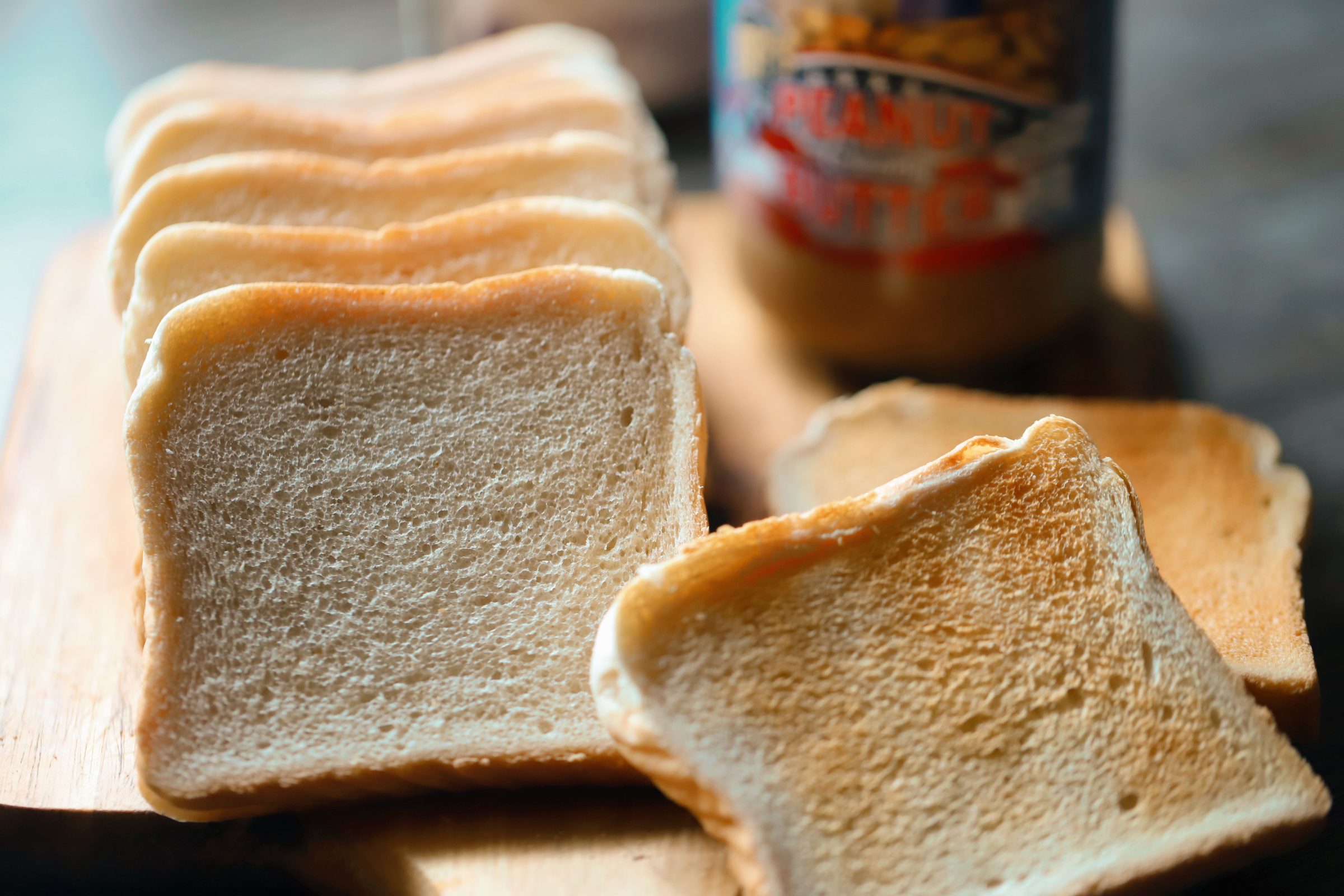
I realised when I read Westenberg’s piece that during my years as a government assessor, I was the person the metaphorical funding loaf was for. The bread grocery store shelf I stood at was filled with hundreds of bread-shaped applications, every one of them competing for the same spot in my trolley. The thing you’ll know about machine bread is that it has a signature – it’s evenly browned and every slice is identical. They’re perfectly fine to eat, but let’s face it, they’re no freshly baked artisan loaf.
AI-written applications are like machine bread. Assessors read application after polished application, professional and grammatically flawless, that read beautifully but most never quite answered the questions in the way needed to win funding.
Every machine bread application is a loaf on that shelf, and every single one of them is recognisably bread, by which I mean every application is clearly a bid for a grant program. But no customer walks into a shop wanting bread in general. Instead, she walks in with particular needs. Maybe she needs a gluten-free loaf, which in my world was the application with actual evidence that the project’s benefits would happen. Some days she might be after wholemeal, which was the project that lined up with the objectives my funding program EXISTED to deliver. And some days nothing but the high-fibre option will do, which was proof the applicant could be trusted to deliver on time and on budget.
A bread machine bakes you a generic loaf, perfectly formed and suited to nobody in particular. A polished application and a fundable one are two different loaves. The machine follows the recipe. It has never met the customer.
Westenberg reckons bakeries have survived five thousand years because they sell convenience, consistency, and someone to call when the loaf goes wrong. In funding, I would add one more thing to her list: someone who has stood on the assessor’s side of the counter and watched hundreds of loaves get picked up, turned over, and put back. That is the knowledge that goes into every application we write. And unlike my actual baking, which is shocking, I am very good at the writing part!