
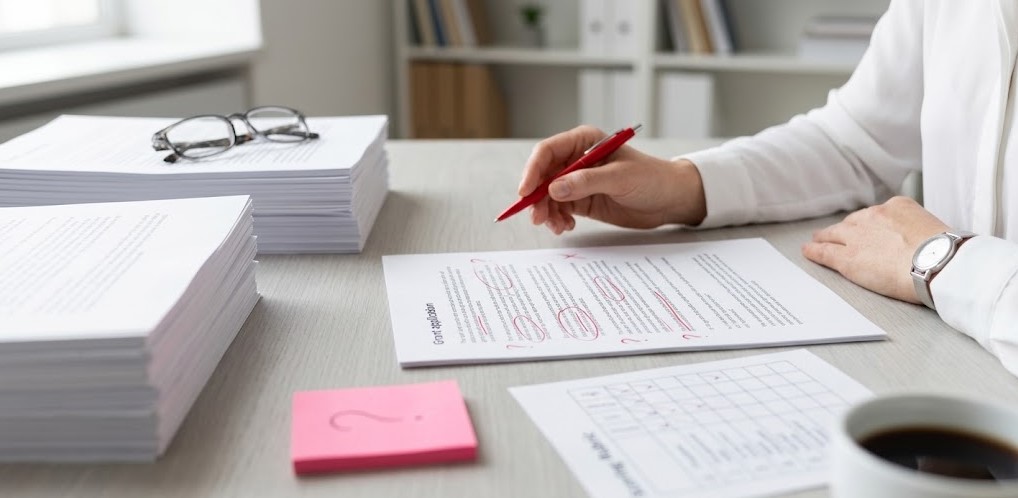
Navigating the grant proposal review process can be challenging, but it’s a crucial step for securing funding. One of the biggest mistakes to steer clear of is failing to follow the specific guidelines provided for each grant. This simple misstep can lead to immediate disqualification, no matter how worthy your project is. At Whitney Consulting, we’ve seen how attention to detail greatly enhances a proposal’s chance of success.
Another common mistake is submitting proposals late. Make a timeline and adhere to it strictly to avoid the rush that could compromise the quality of your submission. Many proposals fall short because they lack originality or fail to clearly articulate their significance. Ensure your proposal is not only timely but also impactful and relevant.
By avoiding these common mistakes, you increase the likelihood of passing the grant assessment process and obtaining the necessary funding. Consider feedback from past assessments and apply these insights to refine your proposal. Whitney Consulting’s expertise can help guide you through these steps effectively.
Also Read:
What Funders Look for in Grant Applications
How to Handle Grant Rejections
Understanding the Grant Review Process
Navigating the grant review process requires a clear comprehension of the proposal evaluation stages and the critical role of a reviewer. Effective grant writing and training can enhance this understanding, reducing common mistakes and improving success rates.
The Role of a Proposal Reviewer
As a proposal reviewer, you play a crucial role in evaluating the potential of grant applications. Your expertise ensures that proposals are assessed fairly, focusing on merit and impact.
A reviewer needs to understand the grant criteria thoroughly and see how each proposal measures up. You should be unbiased, looking closely at how well the project objectives align with the grant goals.
Training and experience enhance your ability to spot strengths and weaknesses in proposals. Reviewers often provide constructive feedback, which helps applicants improve their submissions. The input from skilled reviewers is essential for making informed funding decisions.
Stages of Proposal Assessment
The proposal assessment typically includes several defined stages. The initial stage involves screening submissions to ensure they meet fundamental guidelines. This stage checks that applicants follow submission rules, which is a common error to avoid.
Next, proposals go through a detailed evaluation. At this point, reviewers score each proposal against a rubric or set of criteria. This scoring process looks at aspects like feasibility, innovation, and budget management.
Finally, decisions are made about which projects to fund. High-scoring proposals are often discussed in panels to decide where grant funds will be allocated. This final phase is critical, requiring careful judgment and often collaboration among reviewers.
Crafting a Winning Grant Proposal
A strong grant proposal requires a clear executive summary, realistic goals, and a compelling narrative. These elements work together to present your project in the best possible light.
Developing a Clear Executive Summary
The executive summary is the first impression grant reviewers will have of your project. It should be concise and to the point. Clearly state the purpose of your project, the funding you seek, and the expected outcomes.
Use simple language, avoiding jargon that might confuse the reader.
A good tactic is to write it last, once your proposal is complete, ensuring it summarises all key aspects effectively.
Make sure this section can stand alone and provide a snapshot of your entire proposal.
Setting Realistic Goals and Objectives
Your goals and objectives need to be specific, measurable, achievable, relevant, and time-bound (SMART). Outlining the intended outcomes of your project helps reviewers understand its potential impact.
Avoid general statements, and be particular about what you aim to achieve.
Baselines and benchmarks should be provided, showing how you’ll measure success.
When your goals align with the funder’s priorities, it increases your chances of being awarded the grant.
Articulating a Compelling Narrative
The narrative of your grant proposal is your chance to tell your project’s story. Make it engaging and impactful. Start by introducing the problem you aim to solve, providing context and significance.
Describe how your project provides a solution and exactly who it will benefit. Use data and evidence to support your claims and emphasise the need for funding.
While being persuasive, maintain an honest tone, ensuring your narrative remains trustworthy and believable.
Creating an emotional connection might help make your case more memorable to reviewers.
Also Read:
From Good to Exceptional – Elevating Your Grant Application
Financial Planning and Budgeting
Creating a solid financial plan and ensuring your budget’s accuracy are key to successful funding applications. It’s crucial to justify how you intend to use the funds to build trust with grant reviewers.
Creating a Detailed Financial Plan
A comprehensive financial plan serves as the backbone of your funding application. Start by outlining all anticipated expenses related to your project. Include both direct costs, like materials and labour, and indirect costs, such as utility bills or administrative support. Ensure that your budget reflects the scope and goals of your project.
Using a table can help summarise costs clearly:
| Expense | Description | Amount |
| Materials | Supplies for project | $5,000 |
| Labour | Salaries for the project team | $20,000 |
| Administration | Office expenses | $3,000 |
Seek feedback early to refine your plan and make it as precise as possible.
Ensuring Budget Accuracy
Accurate budgeting is essential to maintain credibility. Avoid overestimating or underestimating expenses, as it can weaken your proposal. Carefully check that every item matches your project needs. Use historical data when possible to support your estimates.
Allocate time to review the budget multiple times before submission. Getting another set of eyes on your figures can catch errors you might miss. Implement changes based on feedback to improve accuracy and reliability.
Justifying the Funding Utilisation
Explaining why each part of your budget is necessary helps to justify your funding requests. Clarify the direct relationship between the expenses and your project’s success. Show that your financial requests are reasonable and that every dollar will be wisely utilised.
Provide a narrative alongside your budget that explains each cost item. Highlight long-term benefits your project could achieve with the allocated funds.
In grant reviews, transparency in your financial planning builds confidence in your application. It demonstrates that you are both prepared and efficient in managing the resources you seek.
Enhancing Credibility through Supporting Materials
To strengthen your grant proposal, using supporting materials like case studies, staff details, and collaboration records can greatly enhance credibility. These elements build trust and offer proof of your organisation’s ability to manage and complete projects successfully.
Integrating Relevant Case Studies
Incorporating case studies provides a solid foundation illustrating your past successes. Select studies that closely align with your proposed project to demonstrate practical experience and outcomes.
These case studies should be well-documented and include clear results, depicting how your organisation has effectively tackled similar projects in the past. This not only highlights your capabilities but also reassures funders that you have a proven track record. Include specific data and testimonials, if available, to further strengthen your argument.
Detailing Key Staff Contributions
Detailing the contributions of key staff members is essential in showcasing your team’s expertise. Funders often want to see that you have experienced individuals who can lead the project to success.
Provide concise bios that outline relevant skills, experiences, and past accomplishments. Highlight any unique qualifications or awards your staff members have received that relate to the project. By detailing these contributions, you emphasise your team’s readiness and effectiveness, which can reassure potential funders about the competency of your team.
Demonstrating Effective Collaboration
Demonstrating effective collaboration with other organisations can significantly boost your proposal’s credibility. Funders look for evidence of successful partnerships, especially with respected entities in your field, as they indicate a broader support network.
Outline any past collaborations that resulted in successful outcomes and stress the roles played by your organisation and partners. Mention any ongoing relationships with other non-profits or charities that might enhance this project. This not only shows capability but also reveals your commitment to collaboration and resource sharing, making your proposal more appealing to funders.
Common Pitfalls and How to Avoid Them
In the grant review process, steering clear of common mistakes can greatly improve your chances of success. Key areas to focus on include avoiding excessive jargon, adhering to formatting guidelines, and respecting submission deadlines.
Avoiding Excessive Jargon
Using technical language can alienate reviewers who may not be experts in your field. While it’s important to demonstrate knowledge, using too much jargon could hinder understanding. To avoid this, write clearly and simply.
Test your proposal by having someone unfamiliar with your field read it. If they can grasp the main points, you’re on the right track. Additionally, consider including a glossary for specialised terms. This ensures that reviewers can swiftly understand your concepts without getting bogged down in complex language.
Adhering to Formatting Guidelines
Grant proposals often have specific formatting requirements that must be followed. Failing to comply can frustrate reviewers and lead to rejection. Always check the grant’s guidelines for font size, line spacing, margins, and document structure.
Prepare a checklist of all formatting specifications before you begin. Double-check that everything aligns correctly. Tools like templates can help maintain consistency. Remember, neat and professional presentation reflects your attention to detail and respect for the process, enhancing your proposal’s appeal.
Meeting the Deadline with Urgency
Missing deadlines is a common yet completely avoidable mistake. Submitting late often results in automatic disqualification. Creating a timeline for your project can help you manage time effectively.
Prioritise key tasks and set earlier internal deadlines to give some buffer for unexpected delays. Break down the workload into smaller tasks and allocate specific times to complete each. It’s wise to have everything ready a few days before the actual deadline. This approach keeps you organised and stress-free, allowing for last-minute adjustments if needed.
Also Read:
Avoid Common Grant Writing Mistakes
Frequently Asked Questions
When preparing grant proposals, it’s crucial to be mindful of common errors that can lower your chances of success. Ensuring clarity and impact in your proposal is equally important to stand out in the review process.
What are typical errors to sidestep when conducting grant assessments?
Typical errors include failure to align the proposal with the sponsor’s goals, overlooking submission guidelines, and providing vague project descriptions. These mistakes can result in a poor evaluation or outright rejection.
How can I ensure a successful grant proposal?
To ensure success, carefully follow the grant maker’s instructions, tailor your proposal to the funding body’s priorities, and provide a detailed budget. Ensure your project objectives are clear and achievable.
What specific elements do reviewers scrutinise in grant applications?
Reviewers focus on the proposal’s relevance to the funding call, the feasibility of the methodology, and the expertise of the team. Clarity in these areas can support a favourable review.
Which pitfalls should be avoided in grant applications to maximise success?
Avoid jargon, unexplained acronyms, and assuming reviewers have background knowledge. Make sure your proposal is complete, including all required documents and signatures.
How can the clarity and impact of my grant proposal be improved?
Improving clarity involves using concise language and logical organisation. Impact can be enhanced by highlighting the potential benefits and unique aspects of your project.
In what way might language influence the outcome of a grant application?
Language impacts the reviewer’s understanding and perception. Clear, precise language with well-defined terms can make your proposal more compelling and credible. The wrong choice of words or complex phrasing might confuse evaluators.
Are You Prepared to Avoid These Costly Grant Review Mistakes?
Have you ensured your grant application is free from the common pitfalls that could hinder your success? By being mindful of the frequent errors discussed, you’ll be better equipped to navigate the review process with confidence. At Whitney Consulting, we understand the nuances that can make or break a grant proposal. Our team is dedicated to helping you fine-tune your applications, ensuring they meet the highest standards and stand out to reviewers. Trust Whitney Consulting to guide you through the complexities of grant writing and review, so you can secure the funding you deserve.